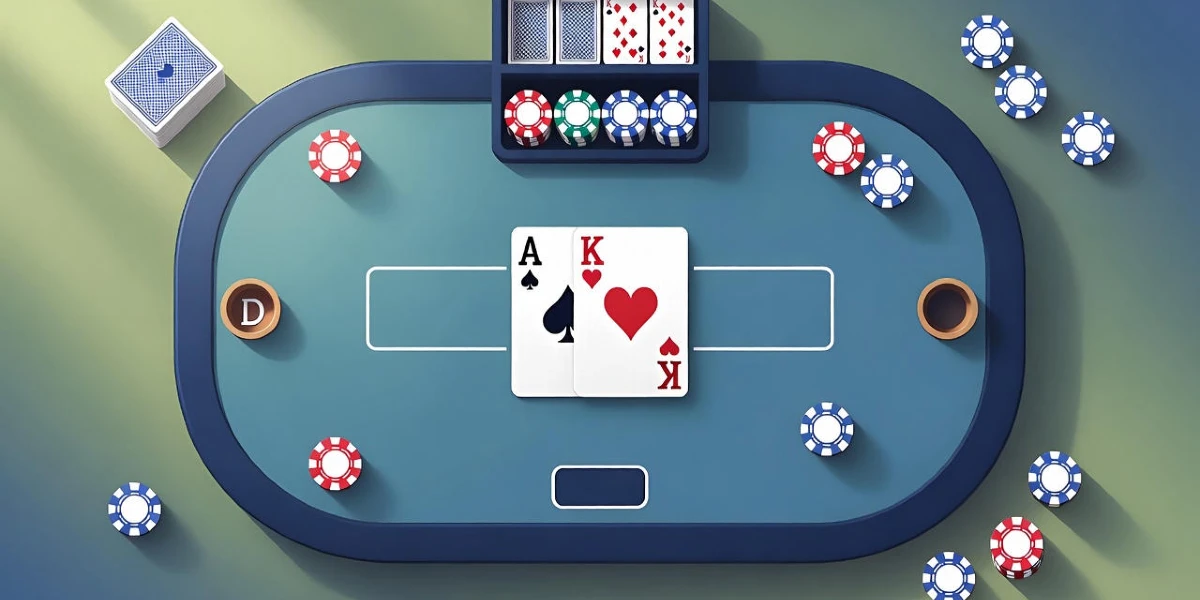
As the landscape of online poker continues to evolve, certain strategies remain timeless. Whether youre a beginner or an experienced player, understanding what works in 2026 can help you improve your game. This article will break down core strategies, actionable tips, and common mistakes to avoid, ensuring you can apply these insights immediately at the table.
Table of Contents
- Core Strategy Explanation
- Actionable Tips for Players
- Common Mistakes Players Make
- Adjustments and Advanced Considerations
- Summary
- Frequently Asked Questions
Core Strategy Explanation
At its core, successful online poker strategy revolves around a few key principles: understanding hand strength, position, and player tendencies. These elements are crucial for making informed decisions throughout the game.
Understanding Hand Strength
Hand strength is the foundation of poker strategy. Knowing which hands to play and when can significantly impact your success. For example, premium hands like pocket aces (AA) or kings (KK) should be played aggressively, while weaker hands like 7-2 offsuit should generally be folded unless in a late position or as a bluff.
Position Matters
Your position at the table greatly influences your strategy. Being in a late position allows you to see how your opponents act before you make your decision. For instance, if youre in the cutoff and notice the players before you have folded, you can open up your range and steal the blinds more frequently.
Reading Player Tendencies
Understanding your opponents’ tendencies is essential. Are they tight or loose? Aggressive or passive? For example, if you notice a player frequently raises pre-flop but folds to aggression, you might consider re-raising them with a wider range of hands to exploit their tendency to back down.
Actionable Tips for Players
Now that weve covered the core strategies, lets dive into practical tips you can use at the table.
- Play Fewer Hands: Many players make the mistake of playing too many hands. Stick to a solid starting hand range based on your position. For example, in early position, play strong hands like AA, KK, QQ, and AK.
- Utilize Bet Sizing: Adjust your bet sizes based on the situation. A larger bet can signify strength, while a smaller bet can be used to induce calls. For instance, if you have a strong hand on the river, consider betting 75% of the pot to extract maximum value.
- Practice Bankroll Management: Always play within your means. A good rule of thumb is to have at least 20 buy-ins for the level you are playing. This helps you withstand variance without going broke.
- Take Notes: Use the note-taking feature available on most online platforms. Document player tendencies and patterns to better inform your decisions in future hands.
Common Mistakes Players Make
Even seasoned players can fall into traps that hinder their success. Here are some common mistakes to avoid:
- Chasing Losses: Many players increase their stakes after losing to try and win back their losses. This often leads to poor decision-making. Stick to your strategy and avoid emotional plays.
- Ignoring Position: Failing to consider your position can lead to playing weak hands out of position. Always factor in where you are seated relative to the action.
- Overvaluing Hands: Players often overvalue hands like top pair without considering the board texture. For example, if the board shows three hearts and you have a single heart, be cautious of potential flush draws.
Adjustments and Advanced Considerations
As you gain experience, consider these advanced strategies:
- Adjusting to Opponents: Pay attention to how your opponents adjust to you. If they start calling your raises more often, consider tightening your range or mixing in more bluffs.
- Exploitative Play: If you notice a player is overly aggressive, you can adjust by calling more often with strong hands and letting them bluff off their chips.
- Game Type Adjustments: Different game types (cash games vs. tournaments) require different strategies. In tournaments, for instance, you need to be more aware of ICM (Independent Chip Model) considerations, especially as you approach the bubble.
Summary
Online poker strategy in 2026 continues to rely on fundamental concepts like hand strength, position, and reading opponents. By focusing on these core strategies, implementing actionable tips, and avoiding common mistakes, you can enhance your game. Always be willing to adjust your strategies based on the dynamics of the table.
Frequently Asked Questions
- What is the best starting hand in poker? The best starting hand is pocket aces (AA), which has the highest probability of winning against any other hand.
- How can I improve my reading of opponents? Pay attention to betting patterns, timing, and how they react to different situations. Taking notes can also help.
- What should I do if I feel like I’m on tilt? Step away from the table for a break, reassess your strategy, and return only when you feel calm and focused.
- How important is bankroll management? Extremely important. Proper bankroll management helps you survive variance and play at stakes that suit your financial situation.
- Should I bluff often in online poker? Bluffing can be effective, but it should be used selectively based on your opponents and the board texture.
With these strategies and insights, you can approach your next online poker session with confidence. Remember, improvement comes with practice and reflection, so keep honing your skills and enjoy the game!